Art. FDA-000025TP – 1/2” automatic humidifier drinker for pig feeders (wet/dry)
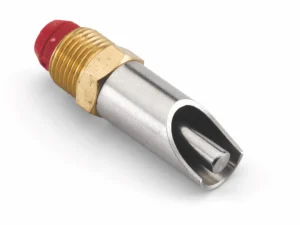
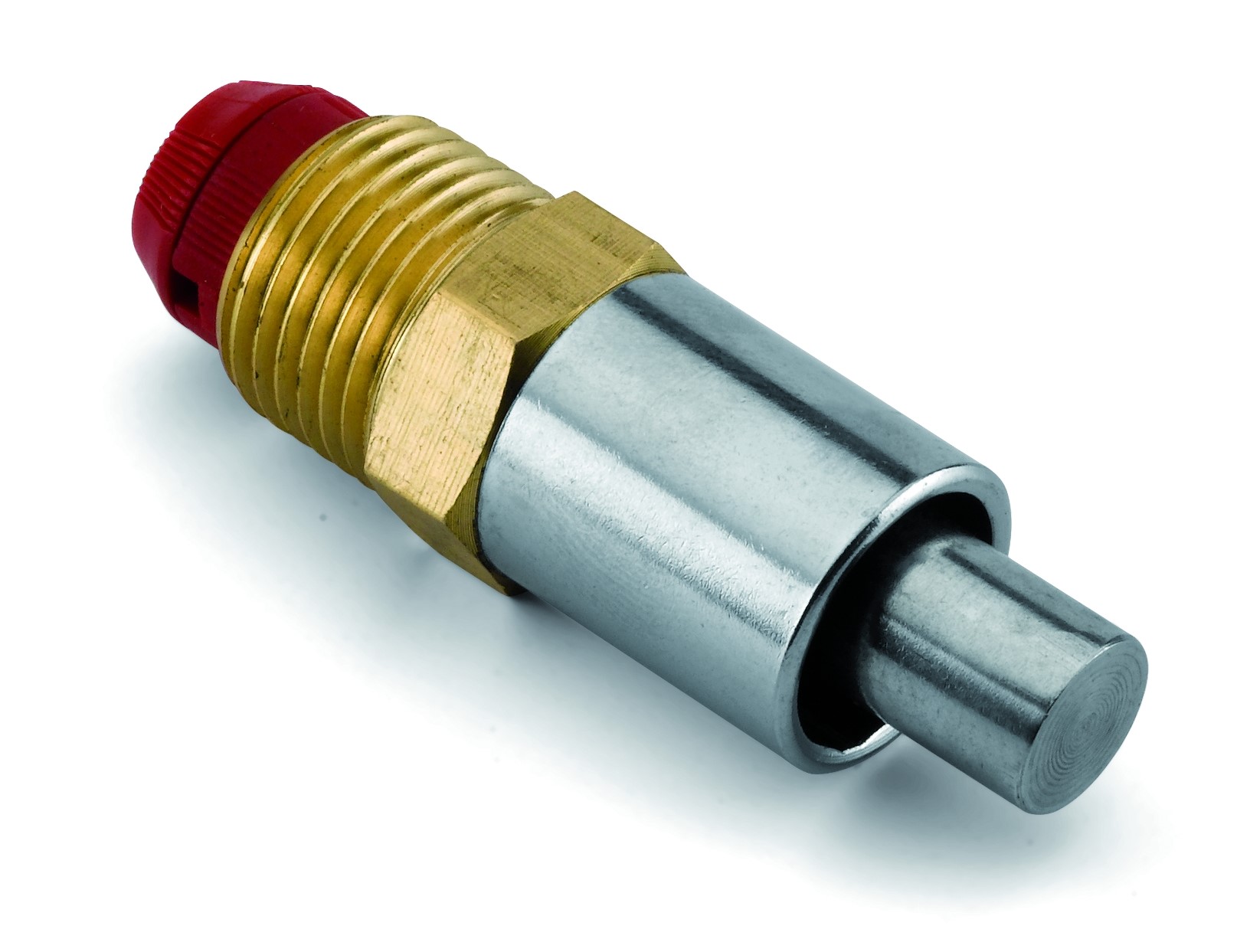
FDA-000025TP 1/2″ automatic humidifier nipple drinker for pig feeders (wet/dry), designed to dispense water directly during feed intake. Made of stainless steel with brass thread and adjustable valve, it guarantees resistance, hygiene, and long life, improving feed efficiency and reducing water waste.
👉 (CLICK HERE) for the complete installation table
Art. FDA-000025TP - 1/2" automatic humidifier drinker for pig feeders (wet/dry)
Product description
The FDA-000025TP humidifier 1/2" automatic drinker is designed for use inside feeders (wet/dry systems), ensuring a constant water supply directly during feed intake.
This solution improves feed intake, promotes animal hydration, and reduces waste, keeping the rearing area cleaner.
Made with robust and wear-resistant materials, it is ideal for pig farms requiring reliability, durability, and ease of management.
Technical specifications
-
Brass thread
-
Stainless steel pipe and pin
-
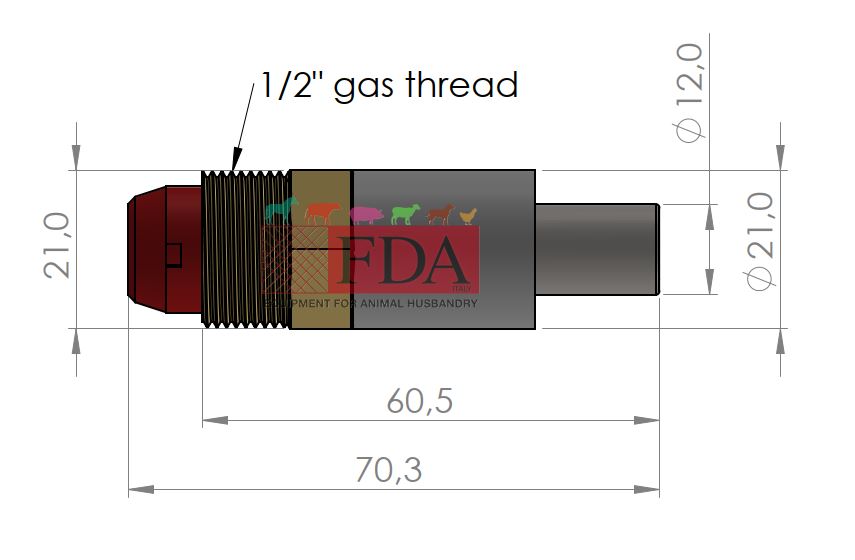
1/2" water connection
-
Total length: 70.3 mm
-
Drinker pipe Ø 21 mm
-
Pin Ø 12 mm
-
Weight: 84.2 g
-
21 mm hexagon
-
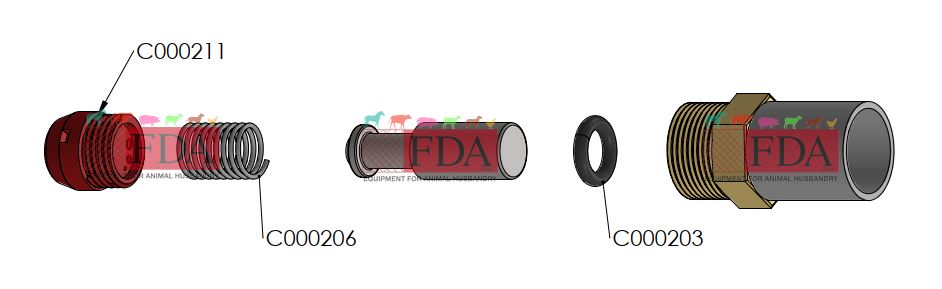
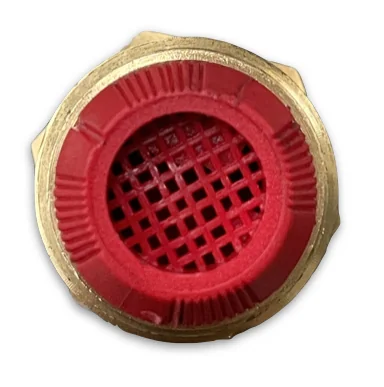
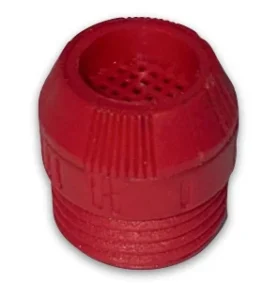
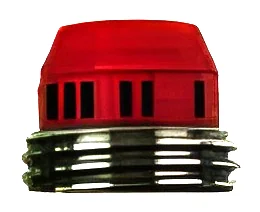
Valve with adjustable plastic filter
- All-stainless steel version FDA-000020E available
Installation heights and angle
👉 (CLICK HERE) for the complete installation table
The indicated heights are general guidelines.
The FDA-000025TP drinker is designed to be installed inside the feeders, so that the pig can activate it while eating.
For piglet rearing, we recommend using two installation heights or height adjusters to adapt the position to the animals' growth.
The inclination can be adjusted between 30° and 45°:
-
Piglets (7–20 kg)
- Height: 8 – 12 cm above feeder bottom
- Angle: 30° – 45°
- Pressure: 0.5 – 1.5 bar
- Flow rate: 0.5 – 0.8 L/min
Weaned / Store pigs (20–40 kg)
- Height: 12 – 18 cm
- Angle: 35° – 45°
- Pressure: 1 – 2 bar
- Flow rate: 0.7 – 1.0 L/min
Growing pigs (40–80 kg)
- Height: 18 – 25 cm
- Angle: 40° – 45°
- Pressure: 1 – 2.5 bar
- Flow rate: 0.8 – 1.2 L/min
Fattening pigs (80–120+ kg)
- Height: 25 – 35 cm
- Angle: 45° - 90°
- Pressure: 1.5 – 3 bar
- Flow rate: 1.0 – 1.5 L/min
Correct installation allows the water flow to be directed straight into the feed, reducing waste and improving feed efficiency.
Recommended water pressure
All drinkers work at both low and high pressure, with a maximum value of 4 bar (55 psi).
For piglet rearing, water pressure should not exceed 2 bar (28 psi).
In general, lower pressures promote:
-
water savings
-
less wear on seals and spring
-
gentler water flow
-
greater ease of use
-
waste reduction
👉 We recommend using a pressure reducer in the presence of high or variable values.
Water flow rate
👉 (CLICK HERE) for the flow rate table
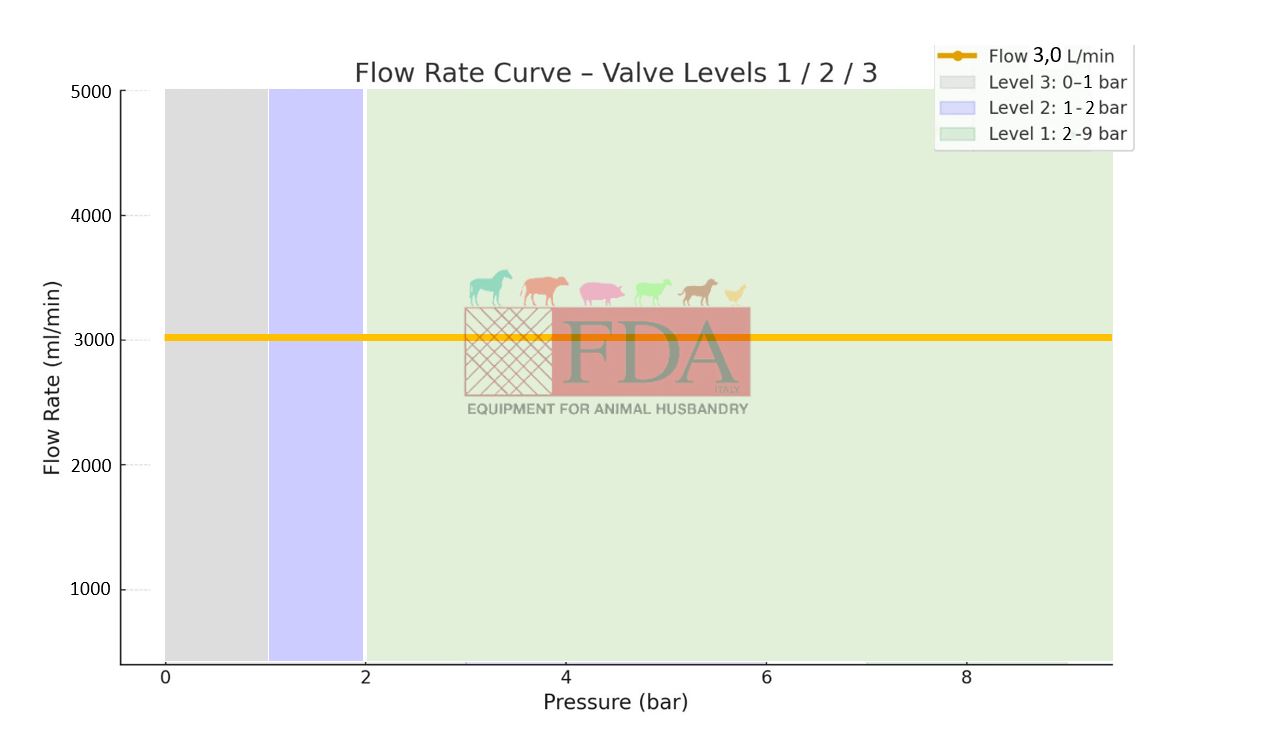
The flow rate of the 1/2" automatic nipple drinker varies according to the pressure in the water line.
For optimal system operation, a flow rate between 0.7 and 1.5 L/min is recommended to achieve correct feed moistening, reducing water waste and keeping the feeding area cleaner.
In the version with an adjustable valve (model FDA-000025TP), the flow rate can be set via the valve cap, allowing the flow to be adapted to the pressure available in the system.
The graph highlights three adjustment levels:
-
Level 1 (2–9 bar) – green zone
for systems with high pressure -
Level 2 (1–2 bar) – blue zone
for intermediate pressures -
Level 3 (0–1 bar) – grey zone
for low-pressure lines
The graph allows you to quickly identify the correct level to set on the cap to obtain a stable flow rate based on the available pressure.
With correct adjustment, the flow rate remains around 1.0 L/min, ensuring a constant, reliable flow suitable for different rearing conditions.
The use of pressure reducers allows for centralized flow rate management, which is particularly useful during hot periods.
Water contamination
Contamination of water or pipes is one of the main causes of drinker malfunction.
The presence of impurities or sediment can compromise the correct operation of the system and reduce its lifespan.
👉 We recommend installing a filter on the water system to prevent these issues and ensure consistent performance.